-
·
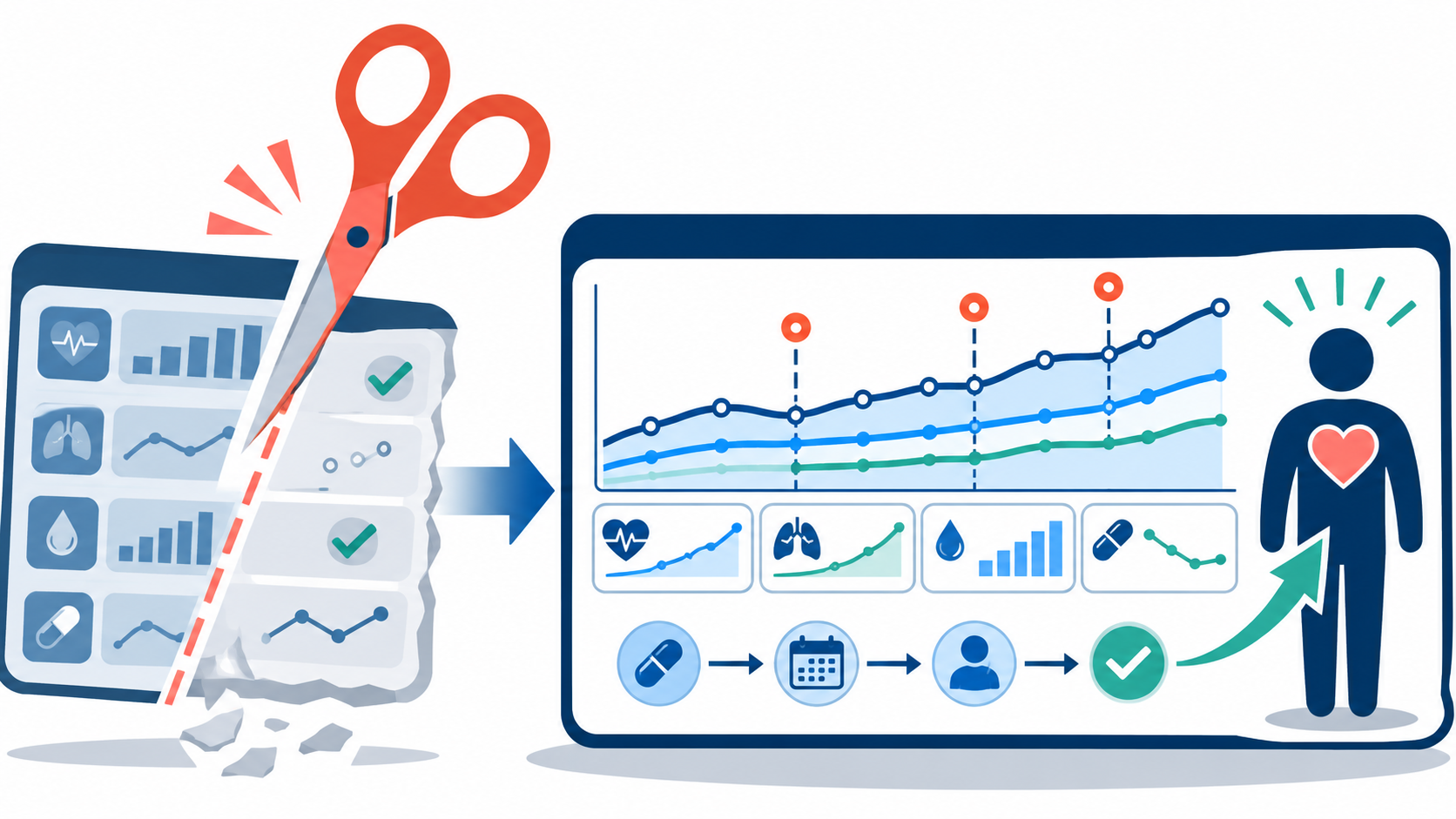
Quality Measures: We Need Better Measures, Not More of the Same
CMS’ proposed changes to MA quality measures miss an opportunity for meaningful reform. I’ve been reading several comments on LinkedIn about the changes to Part C and Part D Measures in the Medicare Program; Contract Year 2028 Policy and Technical Changes to the Medicare Advantage Program, Medicare Prescription Drug Benefit Program, and Programs of All-Inclusive…
-
·
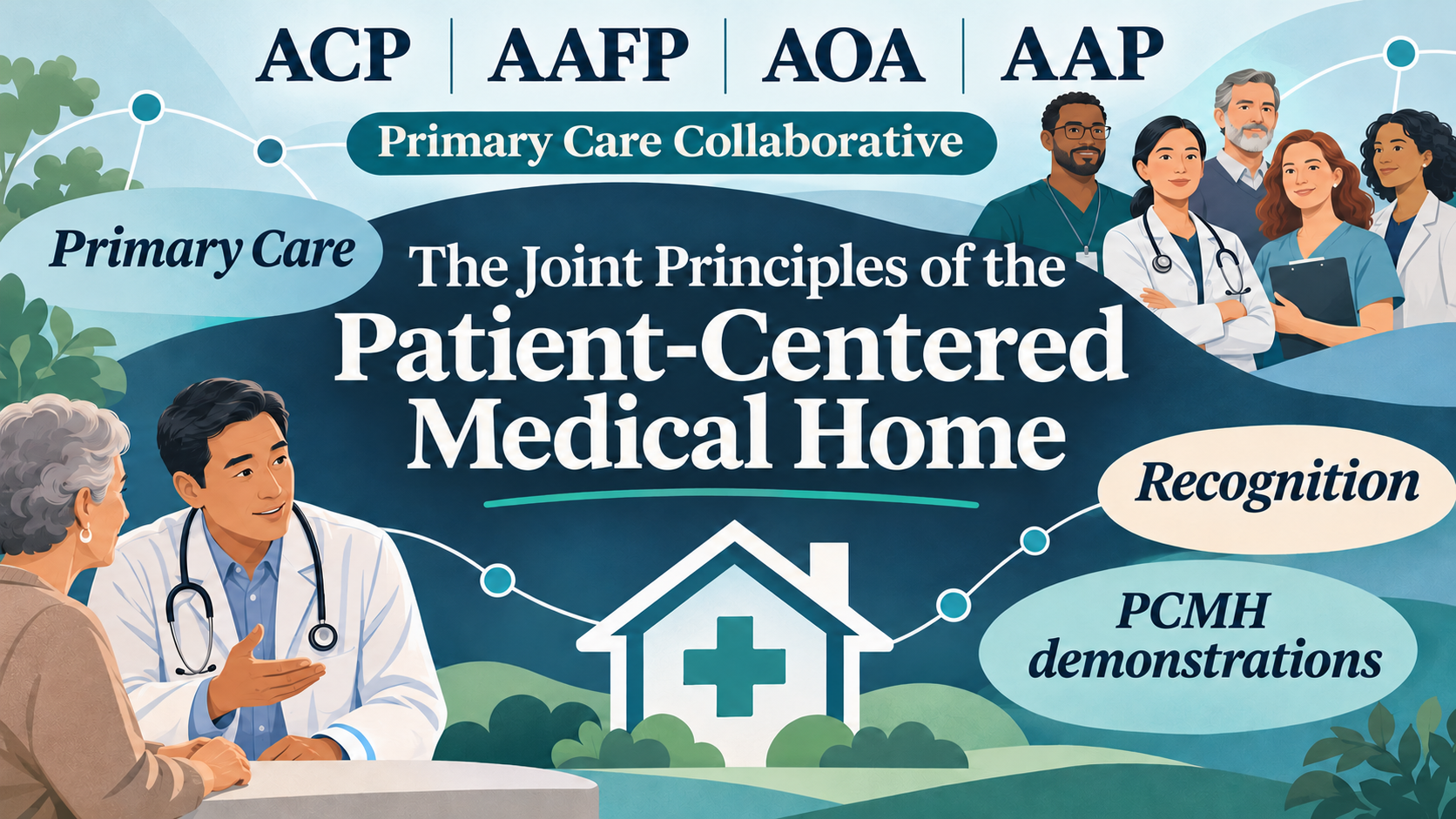
Advancing Primary Care – A Bit of PCMH History
Earlier this month, I had the privilege of attending the Primary Care Collaborative’s (PCC) 20th anniversary. Many of us who were there at the beginning attended to celebrate the organization and its ongoing efforts to promote and sustain primary care. The event made me reflect on the history. The story reminds us that translating policy…
-

·
Putting AI to Work for Value-Based Care
Value-based care requires organizations to understand patient needs, act on care gaps, and direct limited resources effectively. Clinical teams often do this work with information scattered across records, reports, and systems. AI can help organize that information and make it useful. Its value depends on whether it improves decisions and reduces the effort required to…
-

·
Patient Engagement: Essential Infrastructure for Value-Based Care
Value-based care depends heavily on what happens between clinical encounters. People make daily decisions about medications, food, physical activity, and when to seek help. Those decisions reflect their understanding, resources, symptoms, and competing priorities. Payment models that hold organizations accountable for outcomes need to recognize how much of that work occurs outside the examination room.…
-

·
Value-Based Care: When Requirements Outpace Readiness
New payment models assume that participating organizations can identify patients needing attention, coordinate care, and track outcomes over time. They also expect organizations to manage the financial consequences of their performance. Many practices are still building the data systems, workflows, and management capabilities these responsibilities require. The gap between model requirements and operational readiness deserves…
-

·
Value-Based Care: Closing the Readiness Gap
Value-based care is entering a more demanding phase. CMS is advancing models that link payment more closely to clinical outcomes and financial performance. At the same time, digital measurement, artificial intelligence, and new approaches to patient engagement are changing how organizations deliver care. These developments bring opportunities, but they also expose gaps in organizational readiness.…
